What stays under control
Upcoming maintenance and checks stay visible
You spot earlier what is approaching, what is overdue and what still needs to be handled.

Kiraah helps you keep a clearer view of vehicles, equipment, deadlines, checks and required actions without making field operations heavier.
What stays under control
You spot earlier what is approaching, what is overdue and what still needs to be handled.
Without Kiraah
Checks and maintenance exist, but deadlines get scattered across spreadsheets, reminders and separate follow-up loops.
With Kiraah
You see more clearly what is coming up, what is overdue and what still needs attention.
Without Kiraah
The incident gets handled urgently, then follow-up weakens across reminders, decisions and corrective actions.
With Kiraah
You keep a clearer thread between the incident, the action required and its progress status.
Without Kiraah
The fleet view stays partial when status, history and attention points live in several places.
With Kiraah
You keep a more readable view of what is available, what must be checked, maintained or monitored.
Without Kiraah
Actions to take are known locally, but they get lost more easily over time or between teams.
With Kiraah
You relaunch the right actions more simply at the right moment without breaking follow-up continuity.
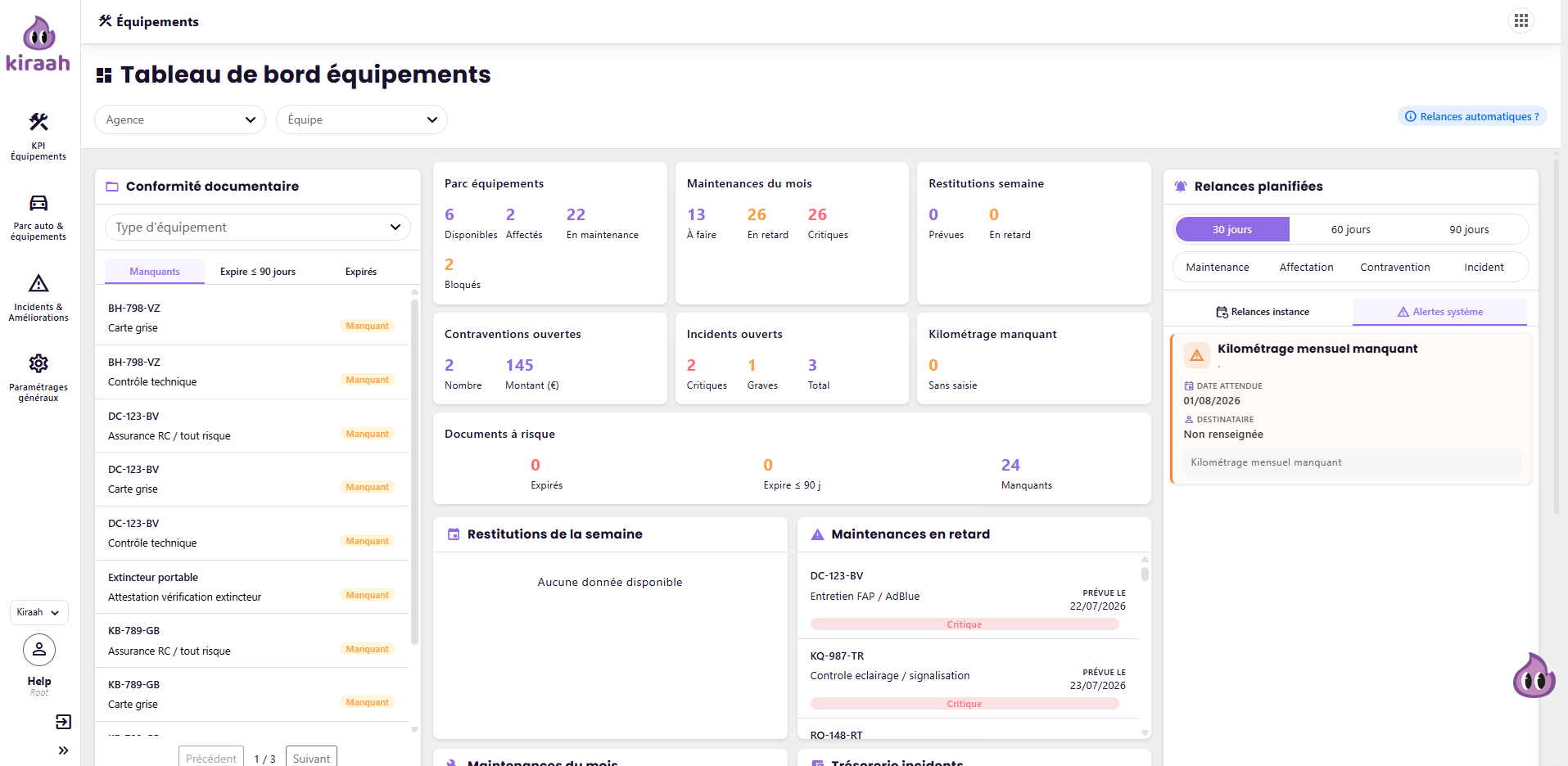
You spot earlier what is approaching, what is overdue and what still needs to be handled.
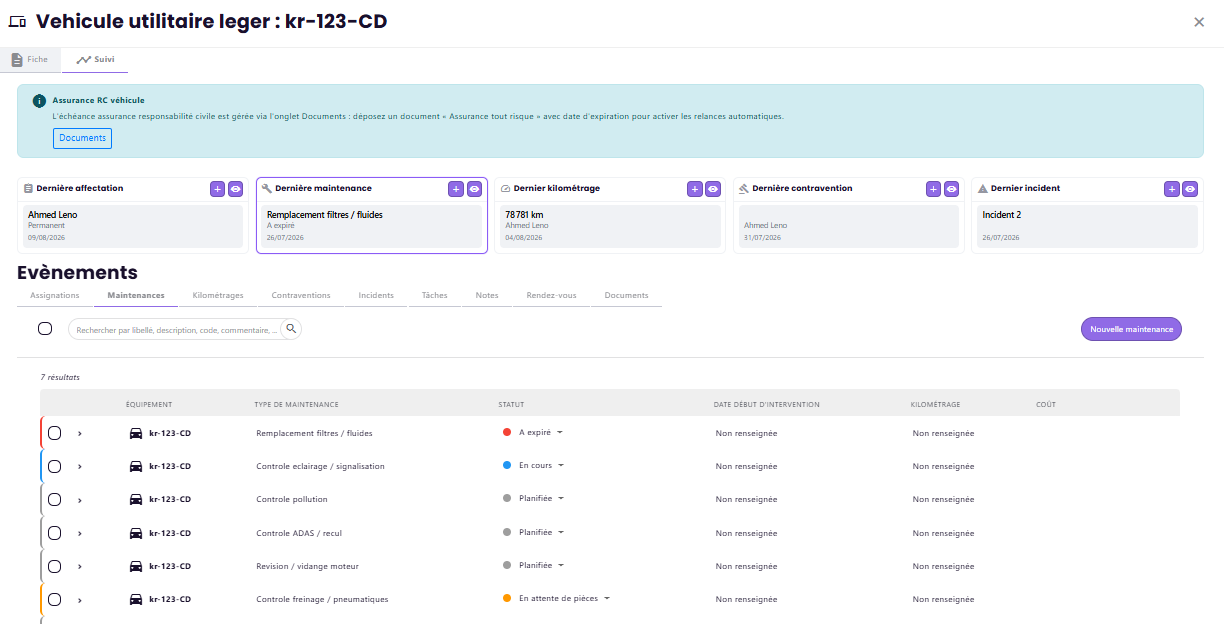
Allocation, maintenance and incident history stays available equipment by equipment.
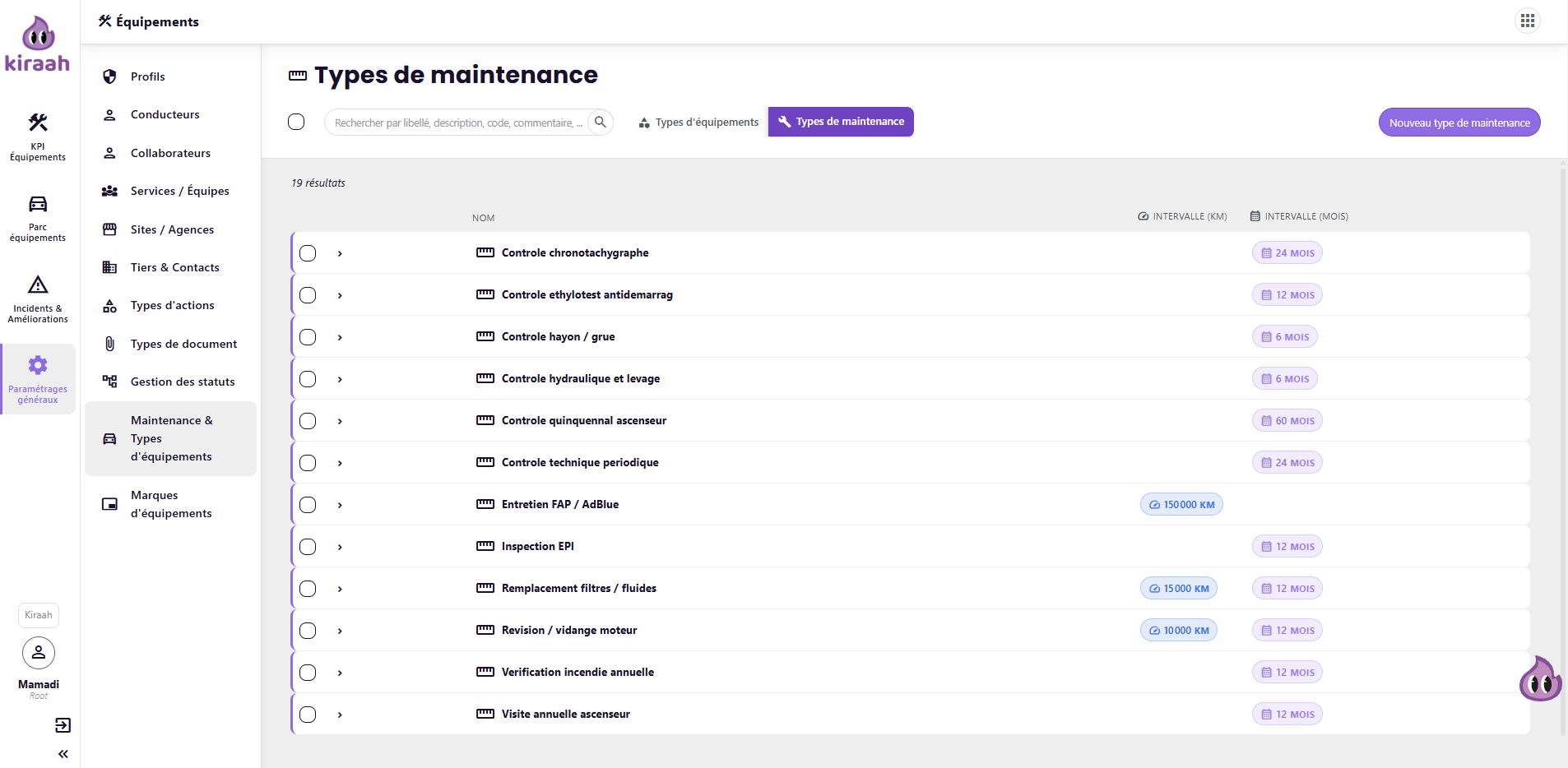
You define maintenance plans by equipment type, then deadlines and checks apply automatically across the fleet.
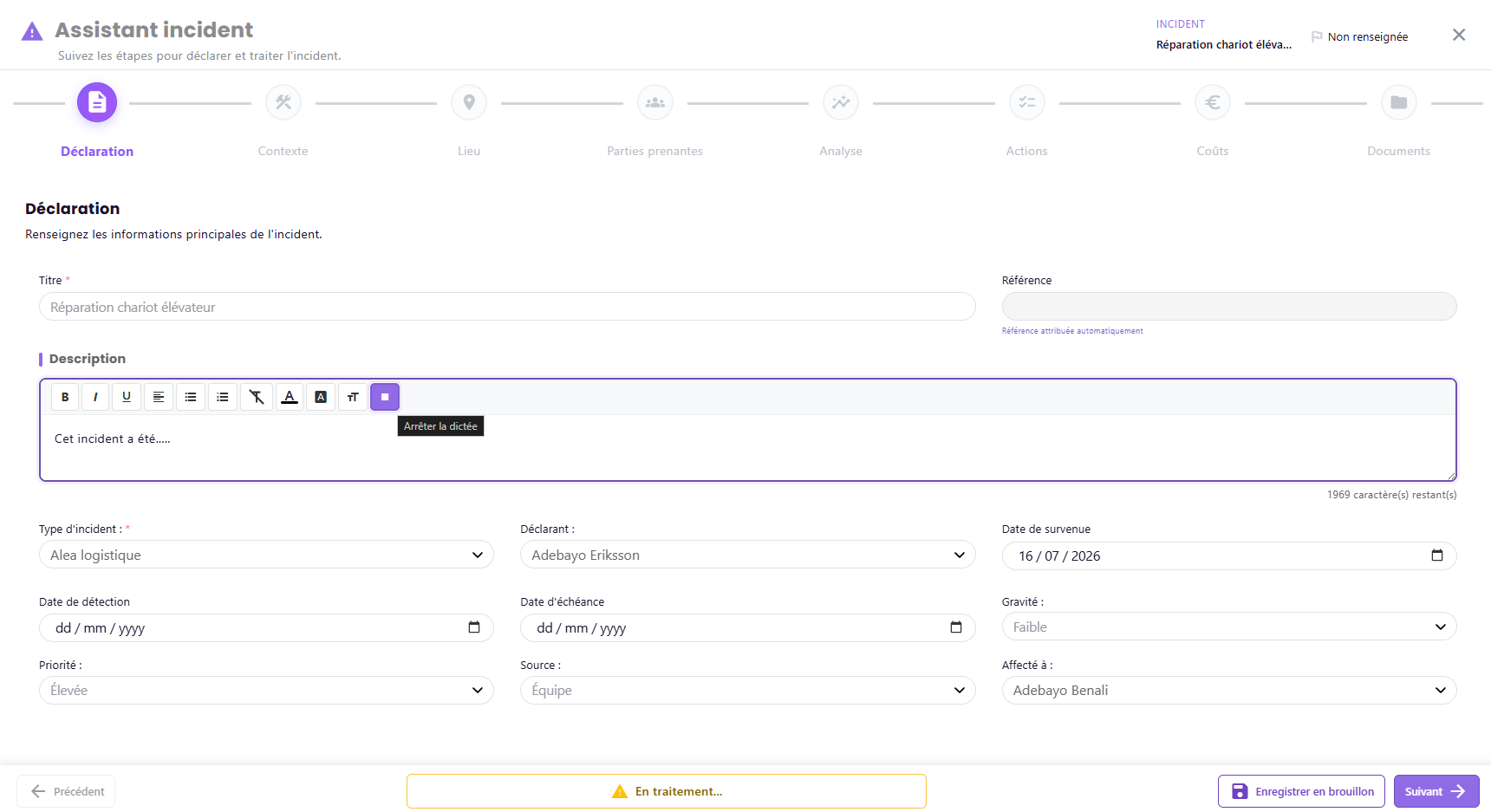
You centralise incident reporting, follow-up and resolution across the fleet, with clear traceability for the whole team.
Kiraah is designed precisely to clarify what you already follow, without making daily field work heavier with a parallel system.
Yes. The key is to keep a more reliable view of deadlines, delays and actions to relaunch over time.
Yes. You can start with a targeted scope, then expand progressively according to your priorities.
Scoping starts from your current practices to make follow-up easier to read, without disrupting your organisation.
In 30 minutes, we frame a first useful scope to make follow-up on vehicles, equipment, checks and maintenance more dependable.